


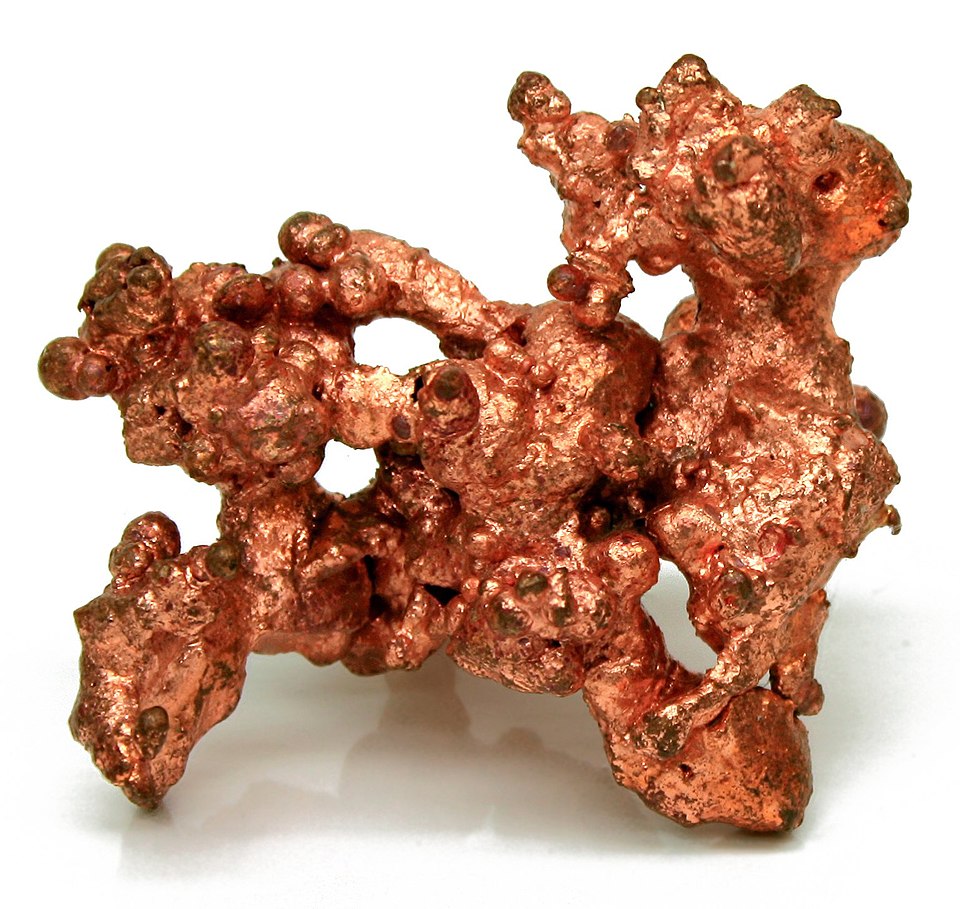
The Red Metal
Applications and Properties of the Red Metal,The red metal, more widely known as copper, is one of the most significant metals in the history of human civilization. From ancient times to the era of advanced technologies, humanity has continuously relied on this metal to meet various needs. Its distinctive color, high formability, and exceptional conductivity have made the applications and properties of the red metal highly important across diverse scientific and industrial fields. This article provides a comprehensive and structured review of the applications and properties of the red metal.
History of the Red Metal
The earliest evidence of copper usage dates back thousands of years. Early humans discovered this metal in its natural form and, without complex smelting processes, used it to produce simple tools and instruments. Major civilizations such as Ancient Egypt, Mesopotamia, and Ancient Persia played a key role in expanding the use of copper. Throughout history, the applications and properties of copper led to the formation of the Bronze Age and significant advancements in tool making.
Physical Properties of the Red Metal
Copper possesses highly valuable physical characteristics. It is soft and ductile, allowing it to be easily formed into thin sheets or long wires. Its high electrical conductivity is one of its most important attributes, making it ideal for electrical energy transmission. In addition, its excellent thermal conductivity has resulted in widespread use in heating and cooling equipment. These features demonstrate that the applications and properties of the red metal are of great importance from an engineering perspective.
Chemical Properties and Resistance
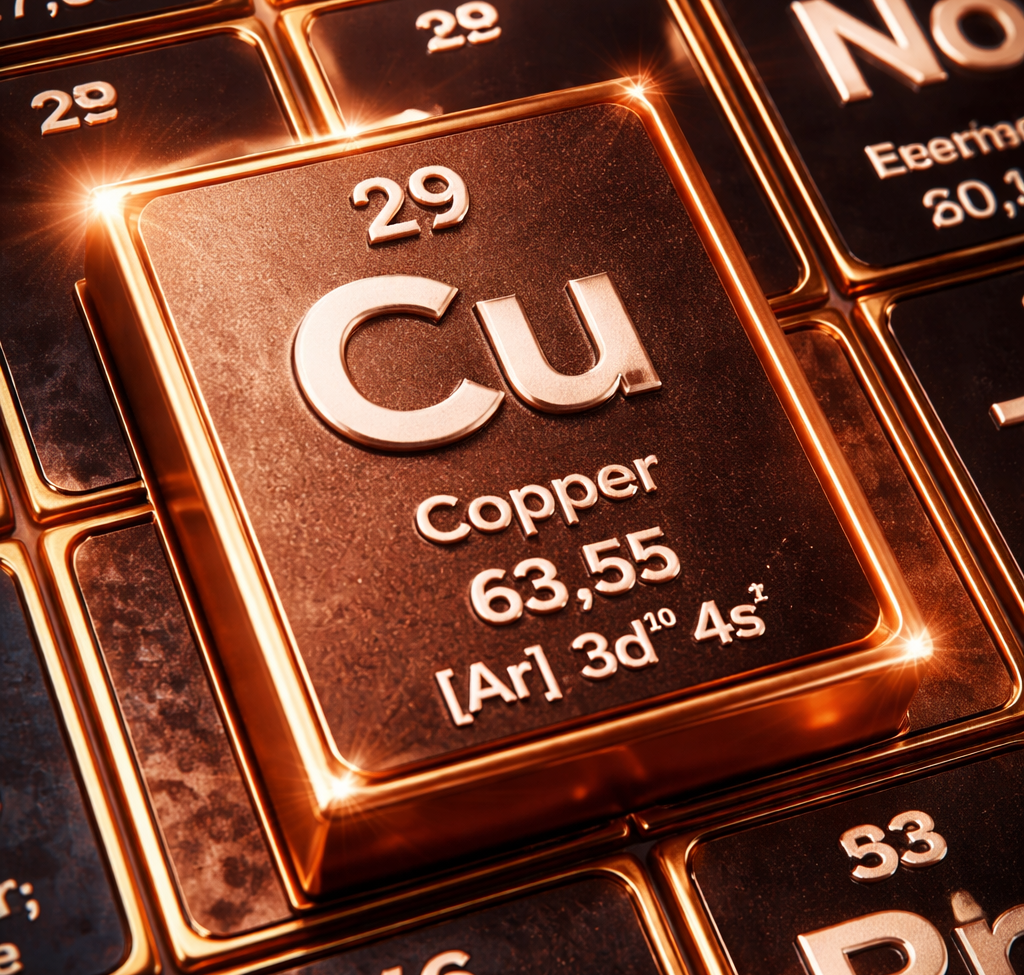
From a chemical standpoint, copper is a relatively stable metal with suitable resistance to many environmental factors. When exposed to air, it gradually oxidizes and forms a protective surface layer that prevents further corrosion. This characteristic enables copper to maintain durability in humid environments and outdoor conditions. The evaluation of these features forms a significant part of the applications and properties of copper.
Industrial Applications of the Red Metal
One of the broadest areas of copper consumption is across various industries. In the automotive industry, electrical components and cooling systems are manufactured using copper. In the oil and gas sector, copper pipes and heat exchangers play a critical role. Copper alloys such as brass and bronze are also widely used due to their strength and durability. These examples clearly reflect the extensive range of applications and properties of copper in industrial sectors.
The Role of the Red Metal in the Electrical Industry
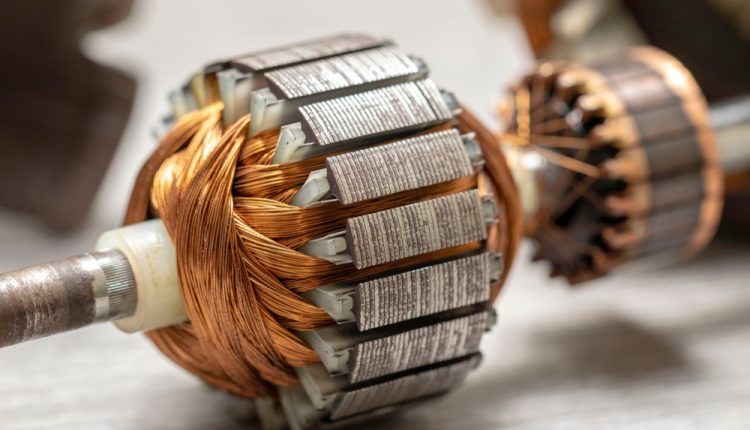
Virtually no other metal holds the same level of importance in the electrical industry as copper. Electrical wires and power transmission cables are primarily made of copper due to its minimal energy loss. Electric motors, generators, and transformers also depend heavily on copper to achieve optimal performance. Therefore, the applications and properties of the red metal play a decisive role in energy infrastructure.
Medical and Hygienic Applications
One of the notable characteristics of copper is its antimicrobial property. Copper surfaces can reduce bacteria and viruses, which is why they are used in hospitals and healthcare facilities. Additionally, in certain traditional therapeutic practices, copper has been utilized to support blood circulation. These aspects indicate that the applications and properties of the red metal extend beyond industrial use.
The Role of Copper in Renewable Energy
With the increasing focus on renewable energy, copper consumption has grown significantly. Solar panels, wind turbines, and energy storage systems all require substantial amounts of copper. Sustainable energy transmission is nearly impossible without copper. In this field as well, the applications and properties of the red metal play a fundamental role in sustainable development.
Economic Importance of the Red Metal
Copper is recognized as a strategic metal in the global economy. Its price is often considered an indicator of the condition of major industries. Countries with rich copper resources benefit from significant economic advantages. Therefore, the applications and properties of copper are also highly important from an economic perspective.
Recycling and Environmental Considerations
One of copper’s key advantages is its high recyclability. This metal can be recycled repeatedly without loss of quality, reducing environmental impact. Efficient utilization and recycling of copper represent another important aspect of the applications and properties of copper, directly contributing to sustainable development.
Conclusion
The red metal is one of the most valuable metals used by humanity and has played a decisive role throughout history. From industry and art to medicine and energy, copper maintains a strong presence. A comprehensive review of the applications and properties of copper demonstrates that this metal will continue to hold its position in the future, with its importance expected to increase even further.