

Copper Ingot
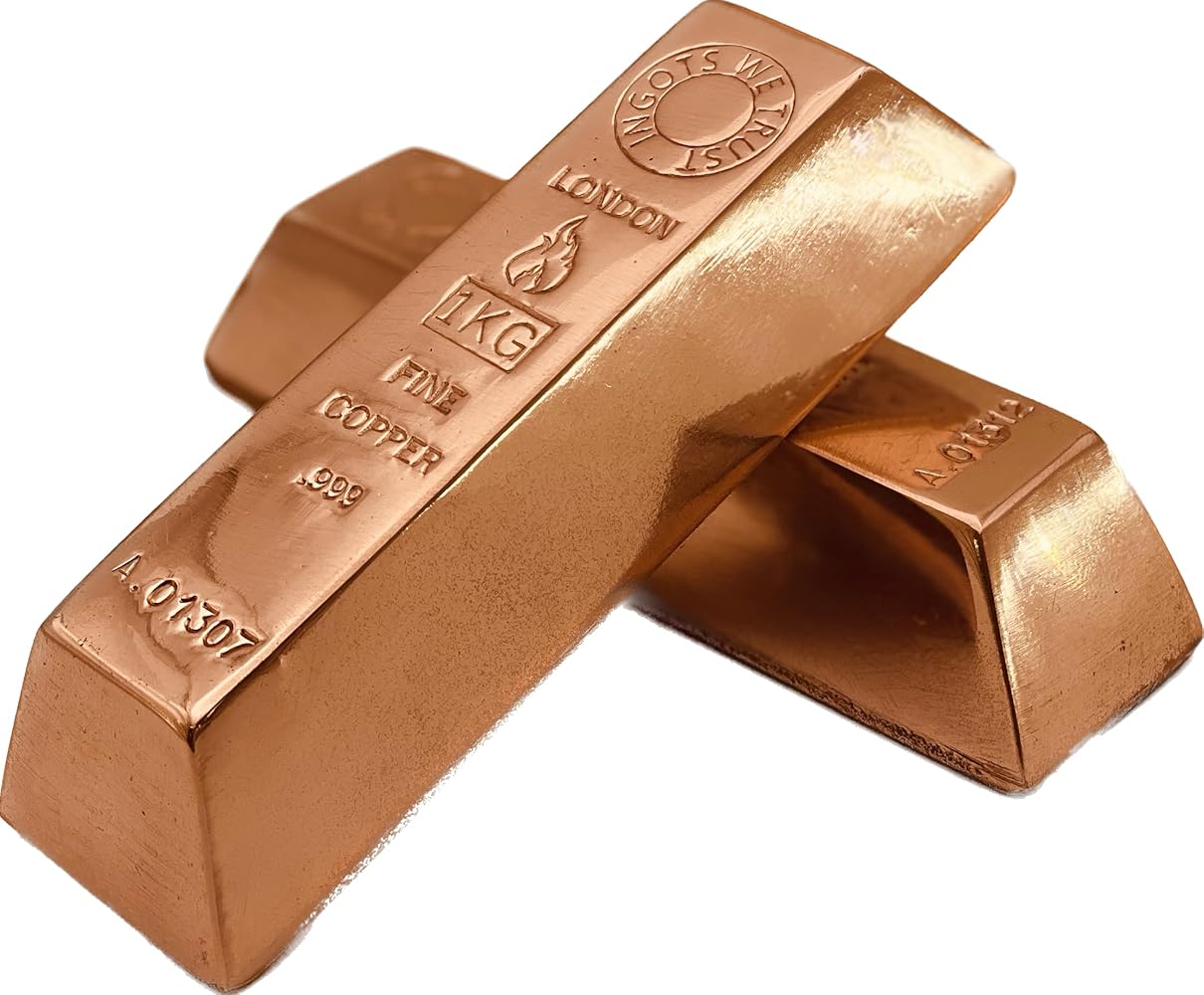
Introduction to Copper Ingot
Copper ingot is one of the most essential base products in the non ferrous metals industry, widely recognized for its role as a primary raw material in the production of a broad range of industrial sections, components, and engineered products. Due to its high purity, consistent metallurgical structure, and reliable performance, copper ingot plays a critical role in ensuring the quality of downstream products. The mechanical and electrical properties of the ingot directly influence the performance, durability, and reliability of the products manufactured from it, making the selection of high-quality, standardized ingot crucial for industrial operations.
Manufacturers in industries such as electrical, electronics, engineering, and casting rely heavily on copper ingot as it forms the foundation of virtually all copper-based products. From small electrical connectors to large industrial components, the quality of the ingot is a determining factor in ensuring stable, efficient, and long-lasting operation of the final product.
Technical Specifications of Copper Ingot
Copper ingot is known for its combination of high electrical and thermal conductivity, excellent corrosion resistance, and favorable mechanical properties. Its high electrical conductivity makes it ideal for applications in power transmission, electrical wiring, and electronic components, while thermal conductivity enables its use in heat exchangers, cooling systems, and various thermal applications.
In addition to these physical properties, copper ingot exhibits good formability and ductility, allowing it to be easily processed into different shapes such as billets, rods, wires, sheets, and tubes. The ingot’s uniform metallurgical structure and minimal impurity levels are essential in achieving reliable mechanical and electrical performance during industrial processes, such as rolling, extrusion, and casting. These technical characteristics ensure that copper ingots can withstand demanding production conditions while maintaining consistent quality and performance.
Copper Ingot Manufacturing Process
The production of copper ingots typically begins with high-purity raw materials, such as copper cathodes or scrap of certified quality. The materials are carefully melted in furnaces under controlled temperature and chemical composition conditions to achieve optimal purity and consistency. During the refining and melting process, impurities are removed, ensuring the ingot meets industrial standards for both chemical composition and physical properties.
Once refined, the molten copper is poured into standard molds and allowed to solidify under controlled conditions. The rate of cooling, mold temperature, and solidification environment are all critical in preventing internal porosity, cracks, or other defects that may compromise the ingot’s quality. After solidification, the ingot is further processed through surface finishing or inspection to ensure it meets precise dimensional, structural, and purity specifications.
Industrial Applications of Copper Ingot
Copper ingot serves as a vital raw material for the production of wires, billets, rods, pipes, and sheets. In the electrical industry, it is used extensively in cable production, electrical connectors, and components for power transmission systems. High-quality ingot ensures that electrical conductivity is maintained, reducing energy loss and improving the reliability of electrical installations.
In the industrial casting sector, copper ingot is used to produce precision-engineered parts and components that require high strength, durability, and uniformity. Additionally, in industries such as plumbing, HVAC, automotive, and manufacturing of brass and bronze alloys, copper ingot forms the base material that directly impacts the final product’s mechanical performance, corrosion resistance, and longevity.
Quality Control and Standards
Strict adherence to international standards is critical in copper ingot production. Essential quality control procedures include chemical composition analysis, dissolved oxygen measurement, alloying element control, and evaluation of mechanical and electrical properties. The ingot’s surface must be uniform, free from contamination, cracks, or porosity to ensure it performs optimally in rolling, extrusion, or machining operations.
Continuous monitoring and inspection during production not only maintain the consistency and quality of each ingot but also directly influence the efficiency and reliability of downstream manufacturing processes. Standardized, high-quality copper ingot guarantees that industrial lines operate smoothly, reducing maintenance needs and production disruptions.
Advantages of Using Standard Copper Ingot
Utilizing high-quality copper ingot provides multiple industrial advantages. It increases production efficiency, minimizes waste, and ensures that forming, casting, or machining processes are performed with precision. Stable chemical composition and consistent metallurgical structure also extend the lifespan of industrial equipment and reduce long-term operational costs.
High-quality ingot prevents issues related to decreased electrical or thermal conductivity, ensuring optimal performance in all applications. It also supports the production of reliable, high-standard components, improving product competitiveness in both domestic and international markets.
Packaging and Supply Conditions
Copper ingots are supplied in a variety of weights, dimensions, and tonnages to meet the specific requirements of industrial customers. Packaging is carefully designed to protect the ingot from physical damage, contamination, and environmental exposure during transport and storage. Custom dimensions can be produced to fulfill the needs of specialized projects, ensuring flexibility and efficiency for manufacturers across different sectors.
Conclusion
Copper ingot remains one of the most critical raw materials in the non ferrous metals industry. Its high purity, uniform metallurgical structure, and superior technical properties make it indispensable for electrical, industrial, and engineering applications. By choosing standardized, high-quality copper ingot, manufacturers can ensure consistent product performance, reduce production costs, enhance durability, and maintain competitiveness in industrial markets. Its role as the foundation for downstream copper products makes it a cornerstone of modern industrial supply chains and a key contributor to long-term operational success.
Reviews
There are no reviews yet.