


Copper Sections
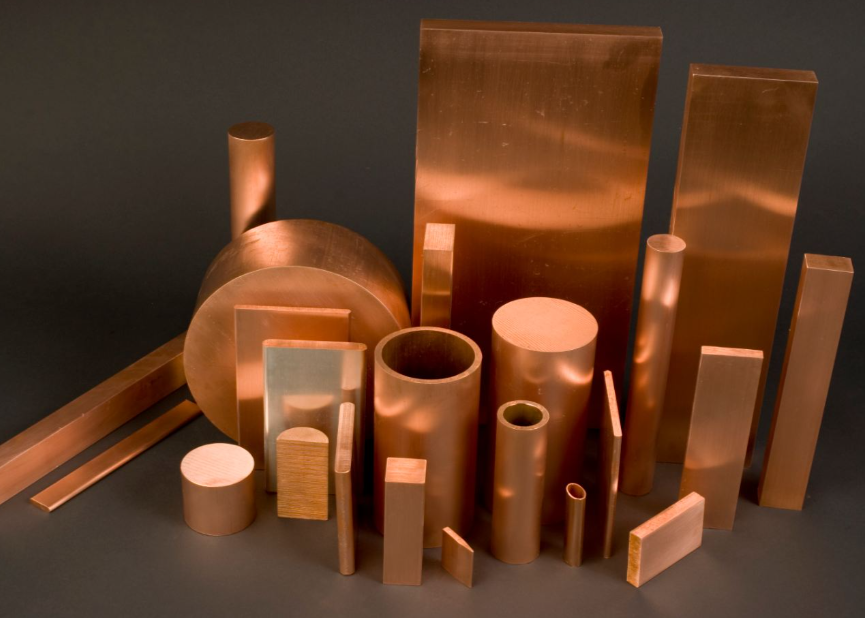
Copper Sections Overview
Copper sections are among the most important and widely used products in the non-ferrous metals industry, produced and supplied in various geometric shapes. Due to copper’s excellent physical and electrical properties, these sections are utilized across multiple industries and play a key role in electrical current transmission, heat transfer, and the manufacturing of industrial components. The quality of copper profiles directly affects the performance, durability, and safety of end-use equipment.
Role of Copper Sections in the Metal Industry
As semi-finished products, copper sections serve as the link between raw copper materials and final industrial products. They are used as base material in many production lines, enabling machining, cutting, bending, and assembly operations. Utilizing standard copper profiles improves production accuracy, reduces waste, and enhances efficiency in industrial processes.
Types of copper profiles
Copper sections are manufactured in various shapes, including strips, rods, square, hexagonal, profiles, and custom sections. Each shape is designed and produced according to its intended application. The choice of section depends on mechanical requirements, current-carrying capacity, installation conditions, and technical project specifications. Variations in dimensions and shapes allow copper profiles to be used in a wide range of applications.
Chemical Composition and Copper Purity
Copper sections are generally produced from high-purity copper to maintain optimal electrical and thermal properties. Precise control of chemical composition during production is crucial, as impurities can reduce conductivity, lower surface quality, and decrease product lifespan. Using refined copper ensures uniform and stable internal structure in copper sections.
Manufacturing Process
The production of copper sections involves melting, casting, rolling or extrusion, and, if required, heat treatment. Temperature, pressure, and forming speed are carefully controlled to achieve precise dimensions and surface quality. After forming, copper profiles undergo quality inspections to verify structural uniformity, mechanical properties, and surface finish.
Physical and Mechanical Properties
Copper sections exhibit high electrical and thermal conductivity, making them ideal for energy transmission applications. Additionally, adequate mechanical strength and good formability allow their use under varying operational conditions. Corrosion resistance and stability in industrial environments are also key features of copper sections.
Industrial Applications
Copper profiles are used in the electrical industry for the production of busbars, conductors, and energy distribution equipment. In construction and installation, they are applied in earthing systems and current transmission lines. Additionally, copper sections play a vital role in automotive manufacturing, industrial equipment production, oil & gas industries, and other non-ferrous metal applications.
Standards and Quality Control
Industrial copper profiles must comply with recognized standards to ensure quality and performance. Dimensional control, surface quality inspection, mechanical testing, and electrical conductivity evaluation are key steps in quality assurance. Adhering to production standards increases industrial customer confidence and reduces technical risks in manufacturing processes.
Packaging and Supply
Copper sections are typically supplied in bars, bundles, or packaged based on specified dimensions and weights. Proper packaging prevents physical damage, deformation, and surface contamination. Availability in various lengths and shapes ensures that copper profiles meet the needs of diverse industrial projects.
Technical Considerations in Selection
When selecting copper sections, factors such as copper purity, section type, precise dimensions, mechanical properties, and production standards should be carefully evaluated. Matching technical specifications with project requirements directly affects the final quality and performance of the system. Sourcing from reputable manufacturers and suppliers is crucial to ensure quality and supply reliability.
Conclusion
Copper sections are key products in the non-ferrous metals industry and play a vital role in meeting the needs of various industries. Production quality, raw material purity, and adherence to technical standards are critical factors determining performance. Using standard copper sections can enhance efficiency, reduce production costs, and improve the quality of final products across multiple industrial applications.
Reviews
There are no reviews yet.