

Zinc Scrap
Zinc Scrap Overview
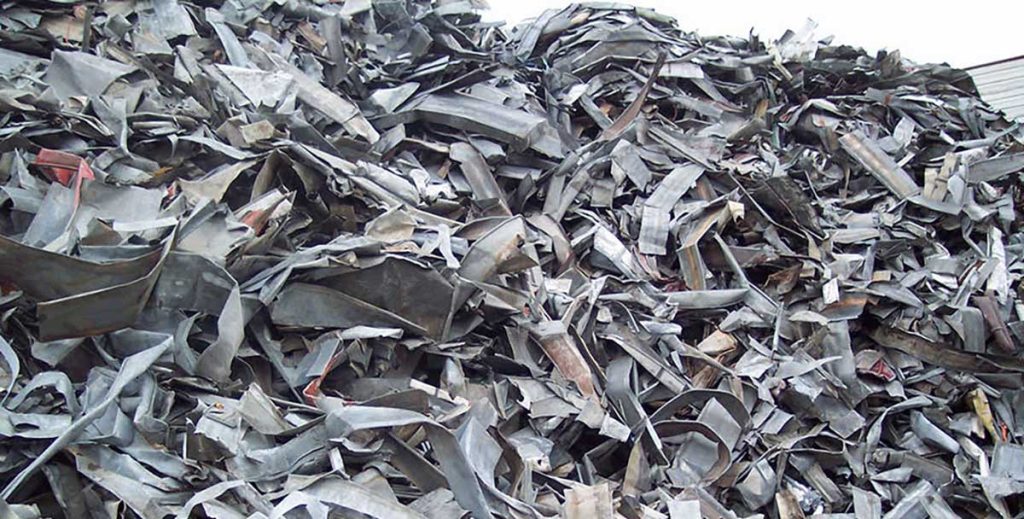
Zinc scrap is considered one of the most valuable resources in the non-ferrous metals industry due to its high recyclability and extensive reuse in zinc production. This material includes used components, turnings, excess sheets, and industrial residues that can be reintroduced into the production cycle. Utilizing zinc scrap helps reduce the consumption of primary raw materials and leads to significant cost savings.
Importance of Zinc Scrap in the Metal Industry
Recycled zinc plays a vital role in optimizing production processes. Industries such as casting, metal coating, and alloy manufacturing benefit greatly from zinc scrap. The use of recycled zinc reduces reliance on primary zinc, improves production efficiency, and minimizes the environmental impact associated with metal extraction and processing.
Types of Zinc Scrap
Recycled Zinc is classified into different categories based on its source and physical form. Common types include industrial turnings and chips, cut sheets, and used zinc components. Each category, depending on its purity level and alloy composition, serves specific applications in recycling and secondary production processes. The quality of recycled zinc materials directly affects melting efficiency and the quality of the final product.
Recycling Process
After collection, recycled Zinc is transported to recycling facilities where impurities are removed and the metal surface is prepared for melting. The material is then melted under controlled temperatures, and appropriate chemical agents are added to recover zinc effectively. The recycled metal can be cast into ingots, sheets, or industrial sections for reuse. Quality control throughout all stages ensures consistent performance of the final product.
Physical and Chemical Properties
Recycled zinc exhibits good formability, suitable chemical resistance, and favorable thermal conductivity. These properties allow the metal to retain its performance after recycling and to be used in the production of high-quality industrial products. Structural uniformity and adequate purity of recycled Zinc ensure stable performance in production lines.
Industrial Applications
Zinc scrap is widely used across various industries. Key applications include the production of zinc ingots, sheets, metal coatings, and industrial alloys. Additionally, recycled zinc is utilized in electronics, mechanical component manufacturing, and casting operations, where it contributes to cost reduction and improved product quality. The use of zinc scrap also helps reduce production waste and enhance overall process efficiency.
Standards and Quality Control
Industrial zinc scrap must be collected and processed in compliance with recognized standards to ensure quality and purity. Chemical composition analysis, cleaning, and dimensional inspection are among the critical steps in evaluating zinc scrap. Adherence to these standards increases customer confidence and reduces technical risks in production processes.
Packaging and Supply Conditions
Depending on type and size, recycled Zinc is supplied in bags, on pallets, or in metal containers. Proper packaging prevents physical damage, contamination, and quality degradation during transportation. The availability of zinc scrap in various quantities and classifications enables suppliers to meet the needs of diverse industrial applications.
Advantages of Using Zinc Scrap
Due to its high recyclability, economic efficiency, and reduced environmental impact, zinc scrap represents a sustainable and cost-effective option for many industries. Its use lowers raw material consumption, enhances industrial process efficiency, and improves the quality of final products.
Conclusion
Recycled Zinc, as a valuable resource in the non-ferrous metals industry, plays a key role in reducing costs and increasing production efficiency. The quality of collection, cleaning, and recycling processes directly determines the quality of the final product. Utilizing standard recycled zinc can result in economic savings, waste reduction, and improved quality of industrial products.
Reviews
There are no reviews yet.