


Brass Alloys: Understanding the Differences and Choosing the Right Alloy for Industrial Applications
What Are Brass Alloys?
Brass Alloys are produced by combining two important and widely used metals: copper and zinc. The percentage of each element can significantly affect the physical and mechanical properties of the final product. As a result, different types of Brass Alloys are used in industrial manufacturing, construction projects, plumbing systems, and engineering applications.
Brass is not a single material with fixed characteristics. By adjusting the ratio of copper and zinc, manufacturers can create Brass Alloys with varying levels of strength, corrosion resistance, machinability, and formability. Understanding these differences helps buyers and manufacturers select the most suitable alloy for their specific requirements.
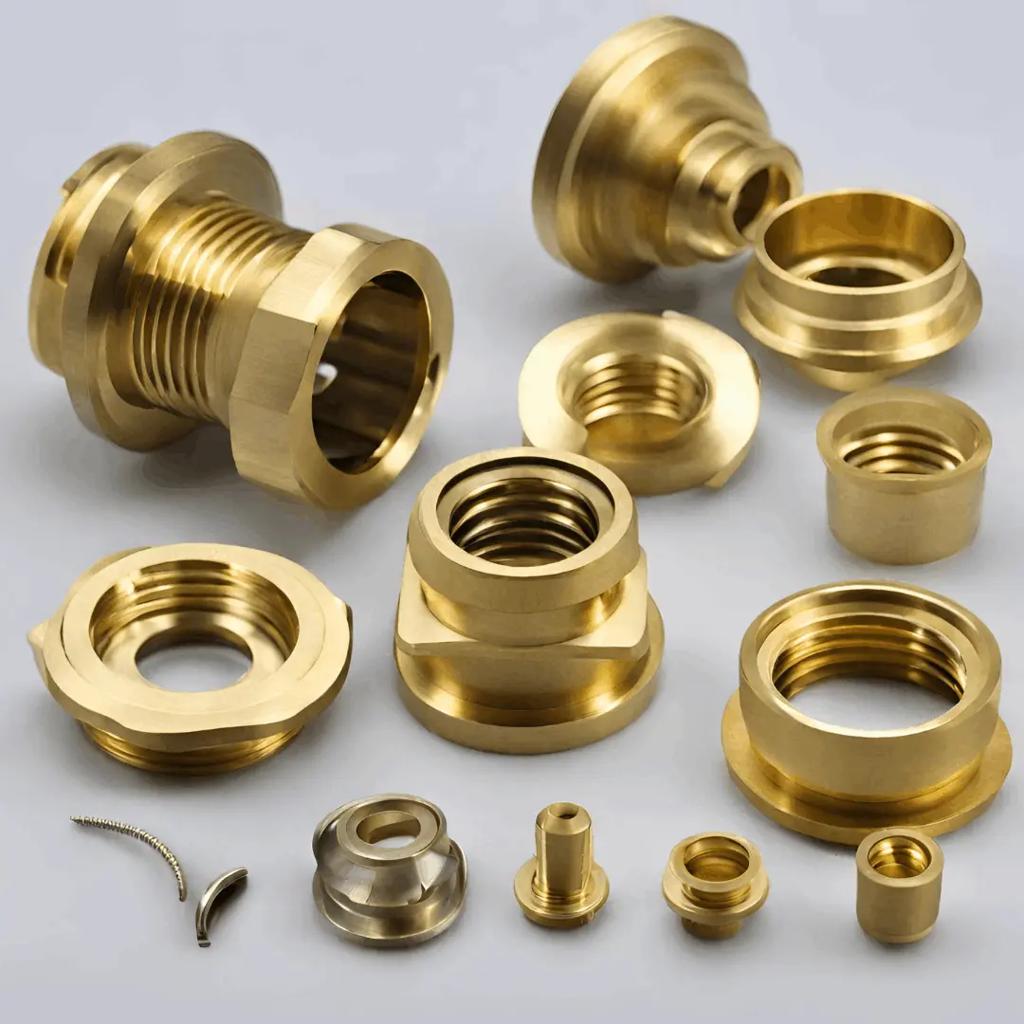
The Role of Copper in Brass Alloys
Copper is the primary component of brass materials and usually represents the largest percentage of the material. A higher copper content generally improves corrosion resistance and gives the alloy a more reddish appearance.
Key benefits of copper in brass materials include:
- Improved corrosion resistance
- Better thermal conductivity
- Enhanced electrical conductivity
- Increased durability
- Superior surface quality
For this reason, many industrial components operating in demanding environments are manufactured from brass materials with higher copper content.
The Impact of Zinc on brass materials
Zinc is the second major element used in the production of brass materials. It plays a crucial role in increasing strength and improving manufacturing performance. As the zinc percentage increases, the alloy becomes harder and more cost-effective.
Advantages of zinc in Brass Alloys include:
- Higher mechanical strength
- Improved casting performance
- Reduced production costs
- Better wear resistance
- Suitability for mass production
The balance between copper and zinc is what creates the wide range of Brass Alloys available in today’s market.
Classification of Brass Alloys Based on Copper and Zinc Content
High-Copper Brass Alloys
These alloys typically contain more than 85% copper. They offer excellent corrosion resistance and are commonly used in environments exposed to moisture and aggressive chemicals.
Common applications include:
- Marine equipment
- Plumbing components
- Industrial fittings
- Fluid transfer systems
High-copper Brass Alloys are often selected when durability and corrosion resistance are the primary concerns.
Standard Yellow Brass
One of the most common brass materials used in industry is standard yellow brass, which generally contains 60% to 70% copper and 30% to 40% zinc.
Key benefits include:
- Competitive pricing
- Good mechanical strength
- Excellent machinability
- Wide industrial usage
Many industrial and plumbing components are manufactured from this type of brass.
High-Zinc Brass Alloys
In these alloys, the zinc content is higher, resulting in increased hardness and mechanical strength.
Typical applications include:
- Heavy industrial components
- Mechanical equipment
- High-pressure parts
However, increasing zinc content may reduce corrosion resistance compared to copper-rich Brass Alloys.
Brass Alloys and Machinability
Machinability is one of the most important factors when selecting brass materials for industrial production. Manufacturers often prefer materials that can be easily drilled, turned, milled, and threaded with high precision.
Certain grades of brass materials provide excellent machining performance, helping manufacturers reduce production time and lower overall manufacturing costs.
Corrosion Resistance of Brass Alloys
Another major difference among brass materials is their resistance to corrosion. In general, alloys with a higher copper content offer better protection against environmental damage.
This characteristic is especially important in industries such as:
- Water treatment
- Oil and gas
- Building services
- Marine engineering
Selecting the right alloy can significantly extend the service life of industrial components and reduce maintenance costs.
Industrial Applications of Brass Alloys
Today, brass materials are used in the production of thousands of industrial products. Their unique combination of copper and zinc makes them suitable for a wide variety of applications.
Common uses include:
- Industrial valves
- Pipe fittings
- Machinery components
- Electrical equipment
- Automotive parts
- Agricultural machinery
- Plumbing systems
Choosing the correct Brass Alloy can improve product performance, reliability, and long-term durability.
How to Choose the Right brass materials
Selecting the right brass materials depends on the operating conditions of the component. Several factors should be considered:
- Working pressure
- Environmental conditions
- Exposure to moisture and corrosion
- Machining requirements
- Production costs
- Expected service life
Consulting experienced manufacturers and suppliers can help ensure the best material selection for a specific project.
Conclusion
Understanding the differences between Brass Materials is essential for selecting the right material for industrial applications. These alloys are created by combining copper and zinc in different proportions, resulting in unique mechanical and physical properties. Copper improves corrosion resistance and durability, while zinc enhances strength and manufacturing efficiency. By choosing the appropriate Brass Alloy, manufacturers can achieve better performance, longer service life, and greater cost efficiency in their industrial components.