


Brass Components
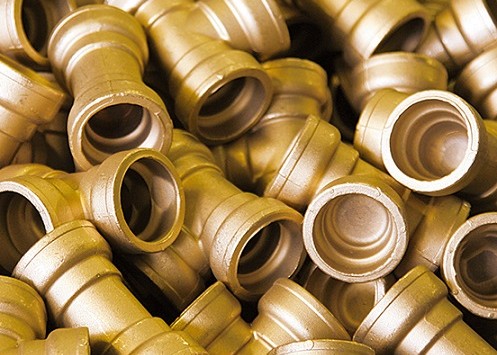
Brass Components Overview
Brass components are among the widely used products in the non-ferrous metals industry. Owing to their specific alloy composition and suitable physical and mechanical properties, they are applied across a broad range of industrial applications. These components are manufactured from copper-zinc alloys and, depending on the application, can be produced in various shapes, dimensions, and technical specifications. Precision in design and production quality plays a key role in their final performance.
Role of Brass Components in Various Industries
As functional and specialized elements, brass components hold an important position in downstream non-ferrous metal industries. They are used as critical parts in many industrial systems and equipment, where their proper performance directly affects overall system efficiency. The use of brass components contributes to improved durability, reduced wear, and enhanced operational performance.
Alloy Composition and Metallurgical Properties
Brass components are produced from copper-zinc alloys with controlled ratios to achieve desirable mechanical properties such as adequate strength, suitable hardness, and excellent machinability. Precise chemical composition results in a uniform and stable structure with good resistance to corrosion and various environmental conditions. Selecting the appropriate alloy based on the intended application is of high importance.
Manufacturing Process of Brass Components
The manufacturing process includes alloy melting, casting, forming, and machining operations. Accurate control of temperature and production conditions is essential to prevent structural defects. After initial forming, finishing operations such as turning, drilling, or threading are performed to achieve the required dimensions and tolerances. Quality control is carried out throughout all production stages to ensure compliance with technical requirements.
Physical and Mechanical Properties
Brass components offer suitable mechanical strength and excellent machinability, making them ideal for the production of precision industrial parts. Good corrosion resistance, stability in humid and industrial environments, and high durability are among their key advantages, allowing their use in a wide range of operating conditions.
Industrial Applications of Brass Components
Brass components are used in various industries including component manufacturing, machine building, automotive, industrial installations, and mechanical equipment production. They are commonly applied in fittings, valves, mechanical assemblies, and precision parts. The ability to manufacture these components in diverse designs significantly expands their range of applications.
Standards and Technical Requirements
The production of this product must comply with recognized industrial standards to ensure consistent quality and performance. Dimensional inspection, surface quality assessment, chemical composition analysis, and mechanical property testing are essential quality control procedures. Adherence to these requirements increases industrial reliability and reduces technical risks.
Packaging and Supply Conditions
Depending on type and size, this product are supplied in packaged or customized forms. Proper packaging prevents physical damage, surface contamination, and deformation during transportation. The ability to supply these products in various production volumes allows manufacturers to meet diverse industrial demands.
Technical Considerations in Product Selection
When selecting brass components, factors such as alloy type, dimensional accuracy, surface quality, and production standards should be carefully considered. Matching technical specifications with operating conditions directly affects performance and service life. Sourcing from reputable manufacturers and suppliers plays a key role in quality assurance.
Advantages in Industrial Applications
Due to the balanced combination of strength, durability, and machinability, brass components are considered an economical and reliable solution for many industrial applications. Reduced maintenance costs, extended equipment lifespan, and stable performance are among the key benefits of using these products.
Conclusion
This product, as key products in the non-ferrous metals sector, play an effective role across various industries. Production quality, controlled alloy composition, and compliance with technical standards are decisive factors in their performance. Using standard brass components can lead to higher efficiency, reduced waste, and improved overall quality of industrial equipment and systems.
Reviews
There are no reviews yet.