


Brass Rod
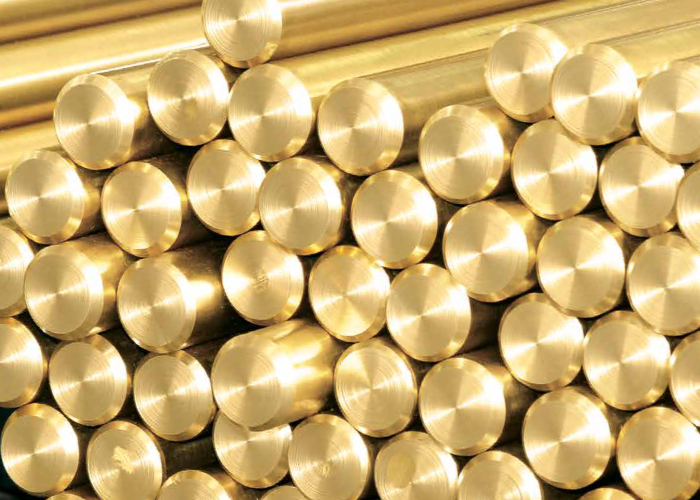
Introduction to Brass Rods
Brass rods are one of the most widely used copper alloy profiles, known for their excellent mechanical properties and high machinability. Produced as circular cross-section bars, these rods serve as a primary raw material in the manufacturing of precision industrial components. The quality of production and structural uniformity of brass rods directly impact the performance and durability of the final products.
Importance of Brass Rods in Non-Ferrous Industries
As a semi-finished product, brass rods play a key role in the supply chain of downstream industries. Their simple geometry and balanced alloy properties make them suitable for a wide range of industrial applications. Many manufacturers in machinery, automotive, and industrial installations rely on brass rods as a reliable raw material.
Alloy Composition and Raw Materials
Brass rods are made from carefully controlled copper-zinc alloys to achieve an optimal balance of strength, flexibility, and corrosion resistance. Precise control of the chemical composition ensures uniform and stable properties. High-quality raw materials contribute significantly to the longevity and reliability of components produced from these rods.
Production Process
The production of brass rods involves melting the alloy, initial casting, and subsequent extrusion or rolling. Temperature and pressure are carefully controlled to ensure the final diameter and surface quality meet industry standards. After shaping, the rods undergo thorough quality inspections to confirm the absence of cracks, porosity, or structural defects.
Physical and Mechanical Properties
This products offer excellent mechanical strength and high machinability, making them ideal for turning, drilling, and threading operations. They also provide good corrosion resistance and stability under various environmental conditions, ensuring reliable performance in industrial applications.
Industrial Applications
This products are widely used in the production of mechanical parts, industrial fittings, valves, machinery components, and automotive parts. They are particularly suitable for components requiring high dimensional accuracy and surface quality. Additionally, they find applications in industrial installations and specialized equipment manufacturing.
Standards and Quality Requirements
Industrial this product should comply with recognized standards to ensure quality and performance. Key quality control measures include diameter checks, surface inspections, chemical composition analysis, and mechanical testing. Adhering to these standards reduces production waste and enhances efficiency.
Packaging and Delivery
This product are typically supplied in standard-length bars or customized sizes. Proper packaging prevents physical damage, bending, or surface contamination during transportation. Availability in various diameters and lengths ensures the product meets diverse industrial requirements.
Technical Considerations for Selection
When selecting brass rods, factors such as alloy type, precise diameter, surface quality, and production standards must be considered. Matching technical specifications with operational requirements directly impacts component quality and longevity. Sourcing from reputable suppliers minimizes technical and operational risks. Brass rods are produced from a carefully controlled copper-zinc alloy and offer excellent mechanical strength, high machinability, and precise dimensional uniformity.
Advantages in Industrial Applications
This product offer a balanced combination of mechanical properties, machinability, and environmental resistance, making them a cost-effective and reliable choice for many industrial applications. Using high-quality brass rods can enhance production accuracy, reduce maintenance costs, and improve final product quality.
Conclusion
As a key copper alloy profile, this product play a vital role in supporting various industries. Production quality, controlled alloy composition, and adherence to technical standards are critical for their performance. Selecting standardized brass rods can lead to increased productivity, reduced waste, and enhanced quality of final industrial components.
Reviews
There are no reviews yet.